
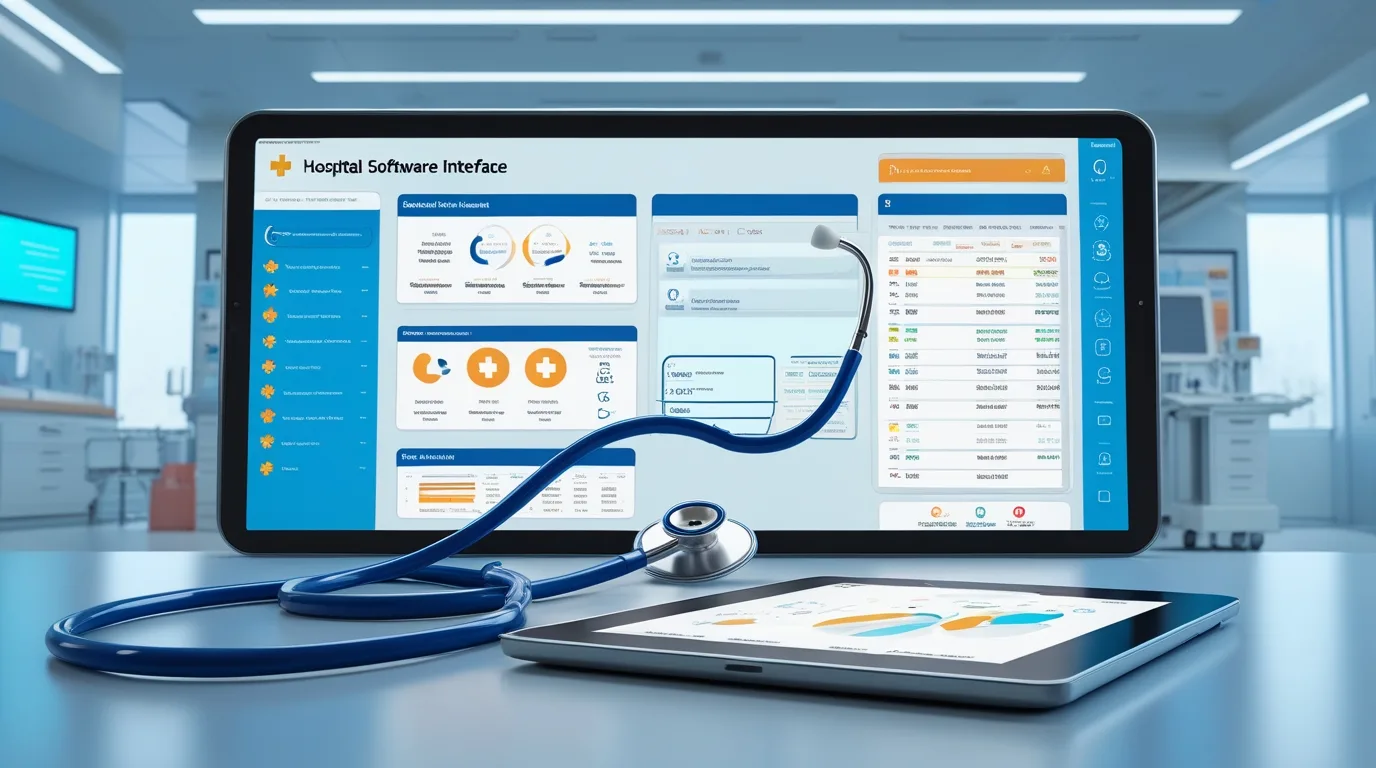
In an era where technology drives nearly every aspect of our lives, hospitals face growing pressure to deliver faster, safer, and more cost-effective care. From managing patient records to coordinating staff schedules, the complexity of modern healthcare is staggering. Hospital software—often called Hospital Management Systems (HMS) or Healthcare Information Systems (HIS)—has emerged as a game-changer. But is it truly the future of healthcare management? Let’s explore how this technology works, the problems it solves, and the opportunities it creates for hospitals of all sizes.
- Understanding Hospital Software
Hospital software is an integrated digital platform designed to automate, track, and optimize hospital operations. It typically includes modules for:
- Electronic Health Records (EHR): Centralized patient data accessible to authorized staff.
- Appointment Scheduling: Efficient booking and resource allocation.
- Billing and Finance: Automated invoicing, insurance claims, and payment tracking.
- Inventory Management: Real-time control of medical supplies and equipment.
- Laboratory Information Management: Streamlined test requests, reporting, and analytics.
- Pharmacy Management: Prescription handling, drug availability, and compliance.
- Staff Management: Payroll, duty rosters, and performance tracking.
By bringing these elements together, hospital software creates a single source of truth that improves communication and reduces errors.
- Why Hospitals Need Digital Transformation
Healthcare institutions face unique challenges:
- Data Overload: Massive patient records and test results are hard to manage manually.
- Regulatory Compliance: Hospitals must follow strict guidelines like HIPAA or GDPR.
- Cost Pressures: Rising operational costs demand efficiency without compromising care.
- Patient Expectations: People expect seamless service similar to online banking or e-commerce.
Hospital software directly addresses these pain points by offering real-time information, audit trails, and automation.
- Key Benefits of Hospital Software
a) Improved Patient Care
Access to comprehensive, up-to-date medical histories enables doctors to make accurate decisions quickly. This reduces diagnostic errors and speeds up treatment.
b) Operational Efficiency
Automation of routine tasks—billing, scheduling, and record keeping—frees staff to focus on patient care. Hospitals can handle higher patient volumes with the same workforce.
c) Cost Savings
Efficient resource allocation lowers waste, from medication inventory to staff hours, ultimately reducing overall expenses.
d) Enhanced Data Security
Modern systems employ encryption, multi-factor authentication, and access controls to keep sensitive patient data safe.
e) Analytics and Insights
Hospital software generates valuable data that administrators can use to predict trends, identify bottlenecks, and plan future services.
- Core Features in Detail
Let’s break down the essential modules that define an effective hospital management system.
Electronic Health Records (EHR):
This feature centralizes all patient interactions—from medical history and test results to treatment plans. Clinicians can access records instantly, improving continuity of care.
Appointment Scheduling:
Intelligent scheduling minimizes wait times and balances workload among healthcare providers. Patients receive automated reminders, reducing no-shows.
Billing and Insurance Integration:
Hospital software simplifies financial operations by generating invoices, processing insurance claims, and tracking payments automatically.
Laboratory & Radiology Modules:
Doctors can order tests digitally, track progress, and view results in one dashboard, reducing delays and miscommunication.
Inventory Management:
By monitoring supply levels in real time, hospitals can avoid stockouts and over-ordering, which saves money and ensures critical equipment is always available.
- Emerging Trends Shaping Hospital Software
The healthcare technology landscape continues to evolve. Key trends include:
- Artificial Intelligence (AI): AI algorithms can assist in diagnosis, predict patient deterioration, and recommend treatment paths.
- Telemedicine Integration: Remote consultations and virtual follow-ups are now essential, particularly after the COVID-19 pandemic.
- Cloud Computing: Cloud-based solutions allow secure, remote access and reduce the need for on-premise infrastructure.
- Mobile Applications: Doctors and patients can interact through smartphones, increasing convenience and engagement.
- Interoperability: Standards like HL7 and FHIR ensure different healthcare systems communicate effectively.
These trends indicate that hospital software is not static; it’s an ever-advancing field.
- Implementation Challenges
Despite the advantages, hospitals may encounter obstacles when adopting new software:
- High Initial Costs: While cost-effective long-term, implementation can require substantial upfront investment.
- Training Requirements: Staff must be trained thoroughly to avoid workflow disruptions.
- Data Migration: Moving years of patient data from paper or legacy systems is complex.
- Resistance to Change: Some personnel may prefer traditional methods.
Successful adoption requires leadership commitment, clear communication, and phased rollouts.
- Choosing the Right Hospital Software
Hospitals should evaluate:
- Customization: Does the software fit specific workflows?
- Scalability: Can it grow with the hospital?
- Compliance: Does it meet local and international data protection standards?
- User Experience: Is the interface intuitive for staff at all technical levels?
- Support & Maintenance: Reliable vendor support is critical for long-term success.
A careful selection process ensures the system aligns with both current and future needs.
- Real-World Case Studies
Urban General Hospital (USA): After implementing a cloud-based HIS, patient check-in times dropped by 40%, and billing errors decreased by 25%.
Regional Medical Center (India): Integrated EHR and telemedicine modules helped manage rural outreach, increasing patient follow-ups by 30%.
Private Pediatric Clinic (UK): Automated inventory management reduced medicine wastage by 20% within six months.
These examples show measurable improvements across diverse settings.
- The Road Ahead
As technology matures, hospital software will integrate even deeper into healthcare ecosystems. Expect to see:
- Predictive Analytics for Preventive Care: Data models anticipating outbreaks or patient deterioration.
- Wearable Device Integration: Continuous monitoring feeds directly into patient records.
- Blockchain Security: Immutable records ensuring ultimate data integrity.
Hospitals that embrace these innovations early will set new standards for patient care and operational excellence.
- Final Thoughts
Hospital software is far more than a digital filing cabinet. It’s an intelligent, adaptable tool that can transform the entire patient journey—from the first appointment to final discharge and beyond. While challenges exist, the long-term benefits in efficiency, cost savings, and quality of care are undeniable.
So, is hospital software the future of healthcare management?
All signs point to yes. As patients demand faster, safer, and more personalized care, hospitals that invest in robust, integrated software solutions will not just survive but thrive in the evolving healthcare landscape
Leave a Reply