
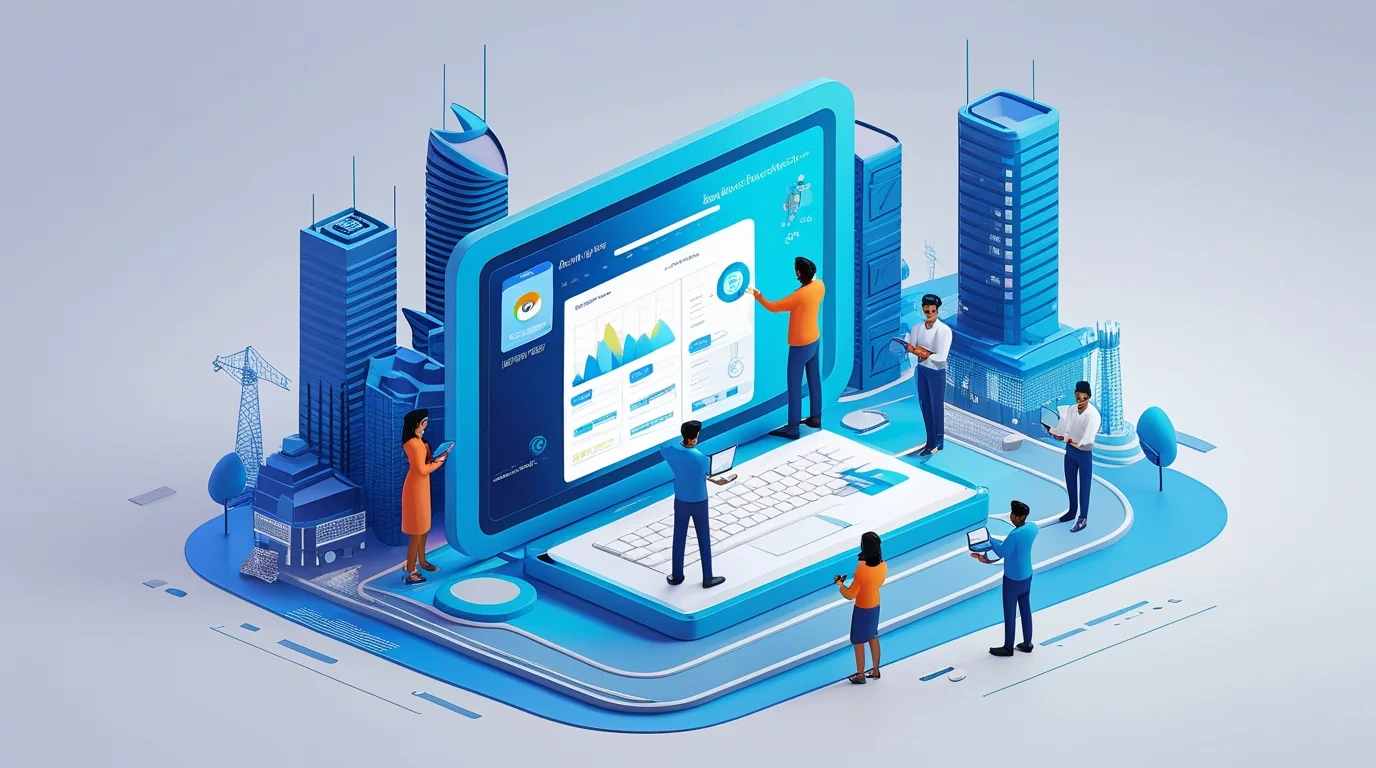
Human Resource Management Systems (HRMS) are transforming the way Indian companies handle their workforce. With India’s rapidly growing economy and the increasing complexity of labor regulations, HR departments are under immense pressure to streamline operations, maintain compliance, and enhance employee satisfaction. HRMS software offers a comprehensive solution by automating key HR functions such as payroll, attendance, recruitment, and performance management.
This blog explores the rising demand for HRMS software in India, the key features businesses should look for, the benefits it delivers, and practical steps for successful implementation. Whether you run a startup or manage a large enterprise, understanding how HRMS software can revolutionize your HR operations is crucial for staying competitive.
Understanding HRMS Software
HRMS (Human Resource Management System) is a technology platform designed to simplify HR functions. It combines data management, analytics, and automation into a single, integrated system. Instead of juggling spreadsheets and multiple tools, HR teams can manage all employee-related activities in one place.
Key components of an HRMS include:
- Employee Information Management: Centralized employee records with easy access to personal and professional details.
- Payroll Processing: Automated salary calculations, tax deductions, and compliance with Indian labor laws.
- Attendance and Leave Management: Accurate tracking of employee attendance and leave balances.
- Recruitment and Onboarding: Streamlined hiring, from posting jobs to onboarding new hires.
- Performance Management: Tools for setting goals, conducting appraisals, and tracking employee performance.
- Analytics and Reporting: Data-driven insights for informed decision-making.
By integrating these functions, HRMS software reduces manual tasks, improves accuracy, and enhances the employee experience.
The Growing Need for HRMS in India
India’s workforce is evolving rapidly. Factors driving the adoption of HRMS software include:
1. Complex Labor Regulations
India has a diverse and intricate labor law framework. Businesses must comply with regulations such as the Payment of Wages Act, Employees’ Provident Fund (EPF), and various state-specific rules. HRMS software automates compliance, reducing the risk of penalties.
2. Expanding Workforce
Startups, small businesses, and large enterprises alike are hiring aggressively. As teams grow, manual HR processes become inefficient and error-prone. HRMS ensures scalability by handling thousands of employee records effortlessly.
3. Remote and Hybrid Work Models
The rise of remote work after the COVID-19 pandemic has made it essential to manage employees across locations. HRMS tools offer cloud-based solutions that track productivity and enable seamless communication.
4. Data-Driven Decision Making
Modern businesses rely on analytics to make strategic decisions. HRMS software provides insights into employee performance, attrition rates, and recruitment effectiveness, helping leaders plan better.
Benefits of HRMS Software for Indian Businesses
Implementing HRMS software delivers significant advantages:
1. Time and Cost Savings
Automation reduces manual data entry and paperwork. Payroll that once took days can be processed in minutes, freeing HR professionals to focus on strategic tasks.
2. Enhanced Accuracy
Errors in payroll or attendance can damage employee trust and result in legal consequences. HRMS minimizes human errors with automated calculations.
3. Improved Employee Experience
Self-service portals allow employees to access payslips, request leave, and update personal details without HR intervention, fostering transparency and satisfaction.
4. Compliance Made Easy
With frequent updates in Indian labor laws, staying compliant is challenging. HRMS platforms are regularly updated to reflect legal changes, ensuring businesses remain compliant.
5. Centralized Data Management
All employee information is stored securely in a single system, making it easy to retrieve data for audits, appraisals, or workforce planning.
Key Features to Look for in an HRMS
When choosing HRMS software in India, businesses should consider the following features:
- Cloud-Based Accessibility: Ensure the software supports remote access for employees and HR managers.
- Integration Capabilities: Ability to integrate with accounting software, ERP systems, or third-party tools.
- Scalability: The software should grow with your company’s workforce.
- Mobile App Support: A user-friendly mobile app is essential for a distributed workforce.
- Data Security: Robust encryption and compliance with data protection laws to safeguard employee information.
Popular HRMS Software in India
Several HRMS solutions cater specifically to the Indian market. Some of the leading names include:
- Zoho People: Cloud-based platform ideal for small and medium-sized businesses.
- greytHR: Comprehensive payroll and HR management, popular among SMEs.
- Keka: Known for its intuitive interface and strong performance management tools.
- SAP SuccessFactors: Enterprise-level HRMS with advanced analytics.
- Darwinbox: A fast-growing Indian HRMS provider with AI-driven features.
Each platform offers unique features and pricing, so businesses should evaluate their specific needs before investing.
Implementation Challenges and Solutions
While HRMS software offers immense value, implementing it can present challenges:
1. Resistance to Change
Employees accustomed to manual processes may resist automation.
Solution: Conduct training sessions and highlight the benefits of HRMS to gain buy-in.
2. Data Migration Issues
Transferring data from spreadsheets or legacy systems can be complex.
Solution: Choose vendors offering expert data migration services and thorough testing.
3. Cost Considerations
Initial investment may seem high, especially for small businesses.
Solution: Start with essential modules and upgrade as your company grows.
Steps to Successfully Implement HRMS
- Assess Your Needs: Identify the HR functions that need automation.
- Set a Budget: Determine how much you can invest based on company size and requirements.
- Choose the Right Vendor: Compare features, pricing, and support before making a decision.
- Train Your Team: Provide adequate training to HR staff and employees.
- Monitor and Improve: Collect feedback and optimize the system for better results.
The Future of HRMS in India
The HRMS market in India is poised for explosive growth. With increasing adoption of artificial intelligence (AI), machine learning, and predictive analytics, the next generation of HRM will go beyond automation. Future trends include:
- AI-Driven Recruitment: Automated candidate screening and skill-matching.
- Predictive Analytics: Forecasting attrition and workforce needs.
- Enhanced Employee Engagement: Gamification and personalized career development plans.
- Blockchain Security: Advanced data protection and tamper-proof records.
As Indian businesses continue to embrace digital transformation, HRMS will play a central role in building agile, future-ready organizations.
Conclusion
The question isn’t whether Indian companies should adopt HRM software—it’s when. From startups to large enterprises, every business can benefit from streamlined HR operations, improved compliance, and enhanced employee experiences. By investing in the right HRMS platform and implementing it effectively, Indian organizations can focus on strategic growth rather than administrative hassles.
In a rapidly changing business environment, HRM software isn’t just a tool; it’s a strategic asset. The sooner companies embrace it, the more competitive they will become in the dynamic Indian market.
Leave a Reply